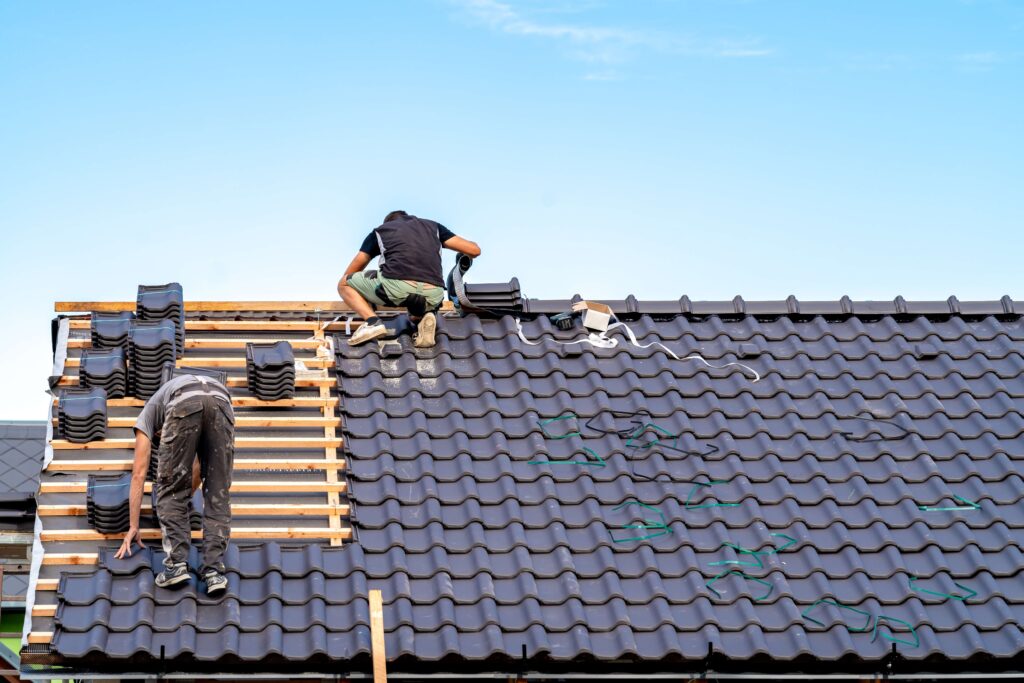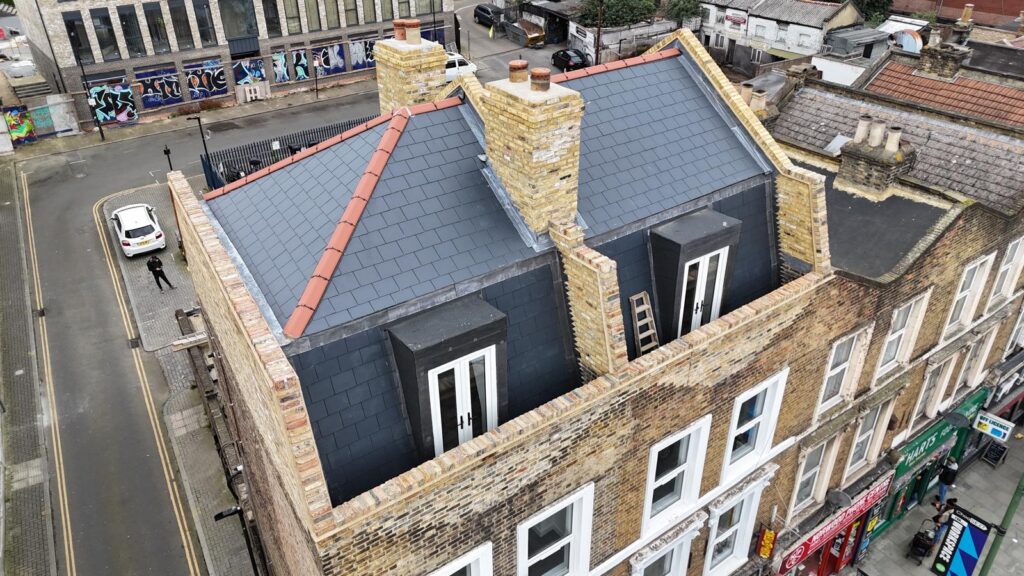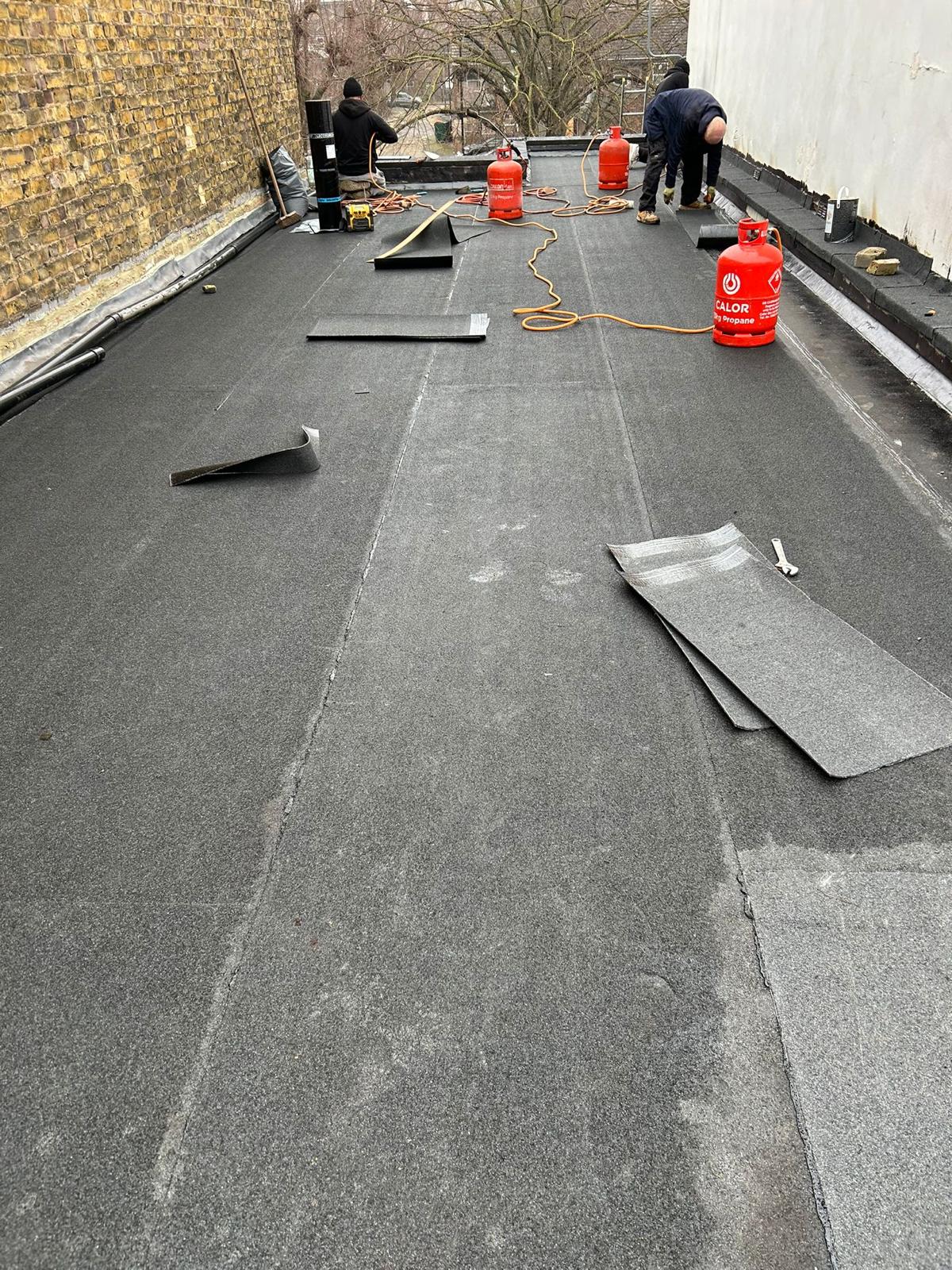
If you’ve been thinking about replacing a roof or repairing one, chances are you’ve come across the term felt roofing. It’s one of the most widely used roofing materials in the UK, particularly for flat roofs on extensions, garages, sheds and smaller outbuildings. Even though it’s been around for decades, felt roofing still remains a practical, affordable and popular choice for many homeowners.
But what exactly is felt roofing, why is it chosen so often, and what can you expect in terms of benefits, costs and lifespan? In this guide, I’ll walk you through everything you need to know. By the end, you’ll understand what felt roofing really offers, when it’s the right choice, and what alternatives might be worth considering.
What Is Felt Roofing?
Felt roofing is a covering made from a base material, usually polyester or fibreglass, which is then coated with bitumen to make it strong, durable and waterproof. The top layer is often finished with sand or a mineral surface to protect it from the sun and weathering.
You’ll usually see felt roofing used on flat or gently sloping roofs, where other materials like tiles or slate wouldn’t be practical. If you’ve got a garage, shed, extension, or porch, there’s a good chance it already has a felt roof.
Modern roofing felt has come a long way from the old types that cracked or wore out quickly. Today’s felt systems are reinforced, weather-resistant, and designed to perform for many years if installed properly.
What Are the Benefits of Felt Roofing?
When you’re weighing up roofing materials, cost is often the first thing that comes to mind, but there are several other reasons felt remains such a reliable option.
Affordability and value
One of the main benefits is its affordability. Compared to materials like fibreglass or EPDM rubber, felt roofing usually comes in at a lower price point. This makes it ideal if you’re on a budget but still want a roof that will protect your property.
Versatility
Felt roofing is flexible and can be cut and shaped to fit roofs of all sizes. That makes it suitable for everything from a small garden shed to a larger home extension. It works well around awkward edges, skylights and roof features, which can be trickier with some other materials.
Waterproofing qualities
The layers of bitumen and the mineral surface make felt roofing highly waterproof when installed correctly. A well-laid felt roof provides solid protection against rain and damp, which is essential in the UK’s climate.
Ease of repair and maintenance
Another benefit is that it’s fairly straightforward to repair. If a section becomes damaged, roofers can often patch or reseal the area without replacing the whole covering. That means you can extend the life of the roof with smaller, cost-effective repairs.
Where it works best
Felt roofing is commonly used on:
- Flat roof extensions
- Garages and carports
- Garden sheds and outbuildings
- Porches and dormers
It’s not usually the first choice for a main pitched roof, but for smaller projects, it remains one of the most practical options.
What Are the Drawbacks of Felt Roofing?
No roofing system is perfect, and it’s important to weigh up the drawbacks as well.
Shorter lifespan than some alternatives
Felt roofing typically lasts between 10 and 15 years. Compared to fibreglass or rubber roofing, which can last 20 to 30 years or more, this is shorter. That said, if you’re looking for an affordable solution for a roof that isn’t a main part of your home, it may still be the most sensible choice.
Vulnerability to poor installation
If a felt roof isn’t fitted properly, problems can develop quite quickly. Issues like blisters, cracks and water pooling often stem from poor workmanship, which is why it’s vital to choose an experienced contractor.
Maintenance needs
Felt roofing requires a bit more attention than premium materials. You may need occasional repairs to stop minor problems becoming bigger ones. Regular inspections are the key to keeping it in good shape.
How Much Does Felt Roofing Cost in the UK?
The cost of felt roofing varies depending on several factors, but it is generally one of the most affordable flat roofing systems you can choose.
Average costs
You can expect prices to be lower per square metre than fibreglass or EPDM rubber. While I won’t give exact figures here, felt roofing usually represents the budget-friendly end of the scale.
What affects the price?
- The size of the roof area
- The type and thickness of felt used
- Labour costs in your area
- Accessibility (is it easy to reach the roof or does scaffolding need to be erected?)
- Any additional work, like replacing rotten decking or adding insulation
Comparison to alternatives
Fibreglass and EPDM are more expensive initially but last longer, so it’s worth thinking about cost over time, not just the upfront spend. Felt roofing is often chosen for projects where budget is tight or the roof isn’t a primary feature of the property.
How Long Does Felt Roofing Last?
A well-installed felt roof typically lasts around 10 to 15 years. Some can last longer with regular maintenance, but that’s the usual lifespan most homeowners should expect.
Factors that influence lifespan
- Quality of installation – the more skilled the roofer, the longer it will last
- Type of felt used – high-performance felt can outlast cheaper options
- Exposure – roofs with heavy shade may last longer than those in direct sun all day
- Maintenance – small repairs carried out promptly can add years of service
When to replace a felt roof
Signs that it’s time to consider replacement include:
- Frequent leaks or damp patches inside the building
- Blistering or bubbling on the surface
- Tears, cracks or splits
- Sagging areas where water is pooling
If you’re noticing any of these, it may be more cost-effective to replace the whole covering rather than continue repairing it.
Is Felt Roofing Still a Good Choice in 2025?
With so many modern roofing options available, you might wonder if felt is still relevant. The answer is yes – felt roofing is still widely used and for good reason.
Why people still choose felt
It’s affordable, practical, and perfectly suited to many smaller projects. Not every roof needs a premium material that lasts 30 years. For an extension or outbuilding, felt often gives the best balance between cost and performance.
Where alternatives might be better
If you want a roof with a very long lifespan and minimal maintenance, fibreglass or EPDM could be a smarter investment. But these come with higher upfront costs, and for smaller jobs, felt roofing remains a very sensible option.
Felt Roof Repairs and Maintenance Tips
If you’ve got a felt roof already, the good news is it can usually be repaired easily if small issues arise.
Common problems
- Tears or punctures from falling debris
- Blistering caused by trapped moisture
- Leaks at joints or around edges
- Ponding water after heavy rain
Quick fixes vs replacement
Small tears can often be patched with bitumen and felt patches. But if the roof is old or has multiple problem areas, replacement is usually the better option.
Regular checks
Having your roof inspected once a year can help spot problems early. This prevents minor damage turning into bigger leaks and extends the life of the covering.
Alternatives to Felt Roofing
While felt roofing is popular, it’s always worth knowing what else is available.
Fibreglass (GRP)
Fibreglass is a hard-wearing material that can last 20 to 30 years. It creates a seamless finish that’s resistant to cracking and is often chosen for premium flat roofs.
EPDM rubber
EPDM is a synthetic rubber membrane that’s flexible and durable. Like fibreglass, it can last decades and requires little maintenance. It’s particularly popular for larger flat roofs.
When to consider alternatives
If you want longevity and minimal upkeep, fibreglass or EPDM may be worth the extra cost. If budget is your main concern, felt remains an excellent choice.
Our Final Say!
So, what is felt roofing? It’s a reliable, cost-effective material made from bitumen-coated layers that provide waterproof protection for flat and low-pitched roofs. It’s especially suited to garages, sheds, extensions and porches. While it may not last as long as alternatives like fibreglass or rubber, it offers excellent value and remains one of the most practical choices in the UK.
If you’re weighing up your options, remember that the right choice depends on your budget, the type of roof you’re covering, and how long you want it to last. Felt roofing may not be the most advanced option on the market, but it still provides dependable performance when installed by professionals.
If you’d like more advice about whether felt roofing is right for your property, or you’d like a free, no-obligation quote, get in touch with a local roofing specialist today. A quick inspection and an honest conversation can help you decide on the best option for your home or business.