When you think about your roof, you probably picture tiles, slate, or maybe a flat surface. But underneath that outer layer, there is something doing a lot of quiet, important work. That layer is roofing felt.
It is not the part most people talk about first. It is not the bit that gives the roof its finished look. Still, it matters far more than many property owners realise. Whether you are dealing with a leak, planning a roof replacement, or simply trying to understand what is protecting your home, roofing felt is worth knowing about.
You might only start thinking about it once something goes wrong. Maybe water has found its way in. Maybe a roofer has mentioned worn felt during an inspection. Or maybe you are trying to decide which roofing system makes the most sense before spending money on work that needs to last.
That is usually when the questions start. What is roofing felt actually for? How long should it last? Is it still a good option? Can it be repaired, or does it need replacing?
The good news is that roofing felt is not complicated once you break it down properly. At its core, it is there to help keep water out and protect the structure underneath. When it is installed well, it gives your roof an extra layer of defence and helps the whole system cope better with bad weather.
If you understand how it works, you can make much better decisions. You can spot issues earlier, ask better questions, and avoid paying for work you do not really need. So let’s go through it properly.
What Is Roofing Felt and Why Does It Matter So Much?
Roofing felt is a waterproof material used either beneath the outer roof covering or as the main surface layer on some flat roofs. Its job is simple, but important. It helps stop water from reaching the structure below.
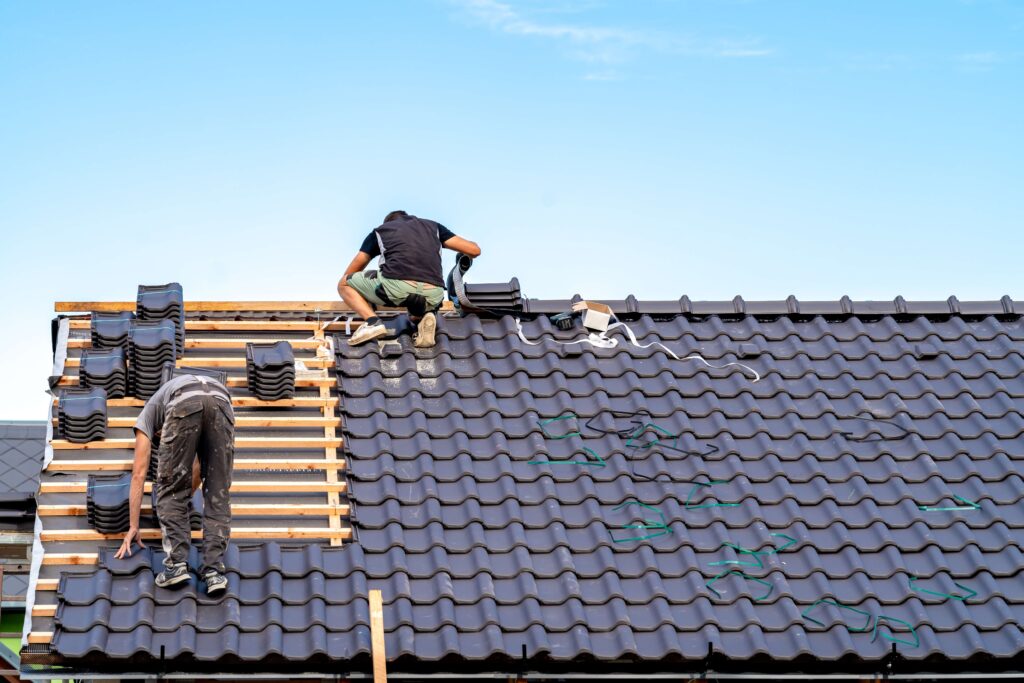
On a pitched roof, roofing felt usually sits under tiles or slates. If rain gets past the outer covering because of wind, damage, or shifting tiles, the felt acts as a backup layer. It helps guide that water away rather than letting it soak into timber, insulation, or ceilings.
On a flat roof, felt often takes on an even bigger role. In that case, it is not just a secondary layer. It becomes the main waterproof surface itself. That means the quality of the material and the quality of installation matter even more.
This is why roofing felt deserves more credit than it usually gets. You may never see it once the roof is finished, but it is there helping the roof cope with rain, moisture, temperature changes, and daily wear. In a climate like ours, where wind-driven rain and damp conditions are common, that extra layer of protection matters a great deal.
Without roofing felt, even a minor problem in the outer roof covering could let water reach the structure much faster. With it in place, the roof has a better chance of coping with small faults before they become serious.
Where Is Roofing Felt Usually Used?
Roofing felt is used in more places than many people realise. Most people think of it as something for sheds or garages, but it appears across a wide range of roof types and property styles.
On pitched roofs, it usually sits beneath tiles or slates. In that setting, it supports the roof by acting as a protective underlayer. It helps manage water that gets past the outer covering and can also help reduce the impact of draughts and dust getting into the roof space.
On flat roofs, felt is often used as the main roofing finish. You will see this on garages, extensions, porches, outbuildings, dormers, and many commercial roofs. In these cases, multiple layers are often used to build up strength and create a more dependable waterproof surface.
It is also widely used because it suits both smaller domestic projects and larger roofing jobs. Whether you are dealing with a compact garden building or a more substantial roof area, felt can often be adapted to fit the job.
That flexibility is one of the reasons it has remained such a common roofing material for so long. It works across many settings and gives roofers a practical option where a reliable waterproof layer is needed.
What Are the Different Types of Roofing Felt?
Not all roofing felt is the same, and that is important to understand before you make any decisions about repair or replacement. The felt used on older roofs can be quite different from the systems used today.
Traditional bitumen felt has been around for many years. It usually consists of a reinforced base coated with bitumen to create a waterproof layer. This type of felt has been widely used on flat roofs and as an underlay on pitched roofs. When fitted properly, it can perform well, but older versions tend to have a shorter lifespan than more modern systems.
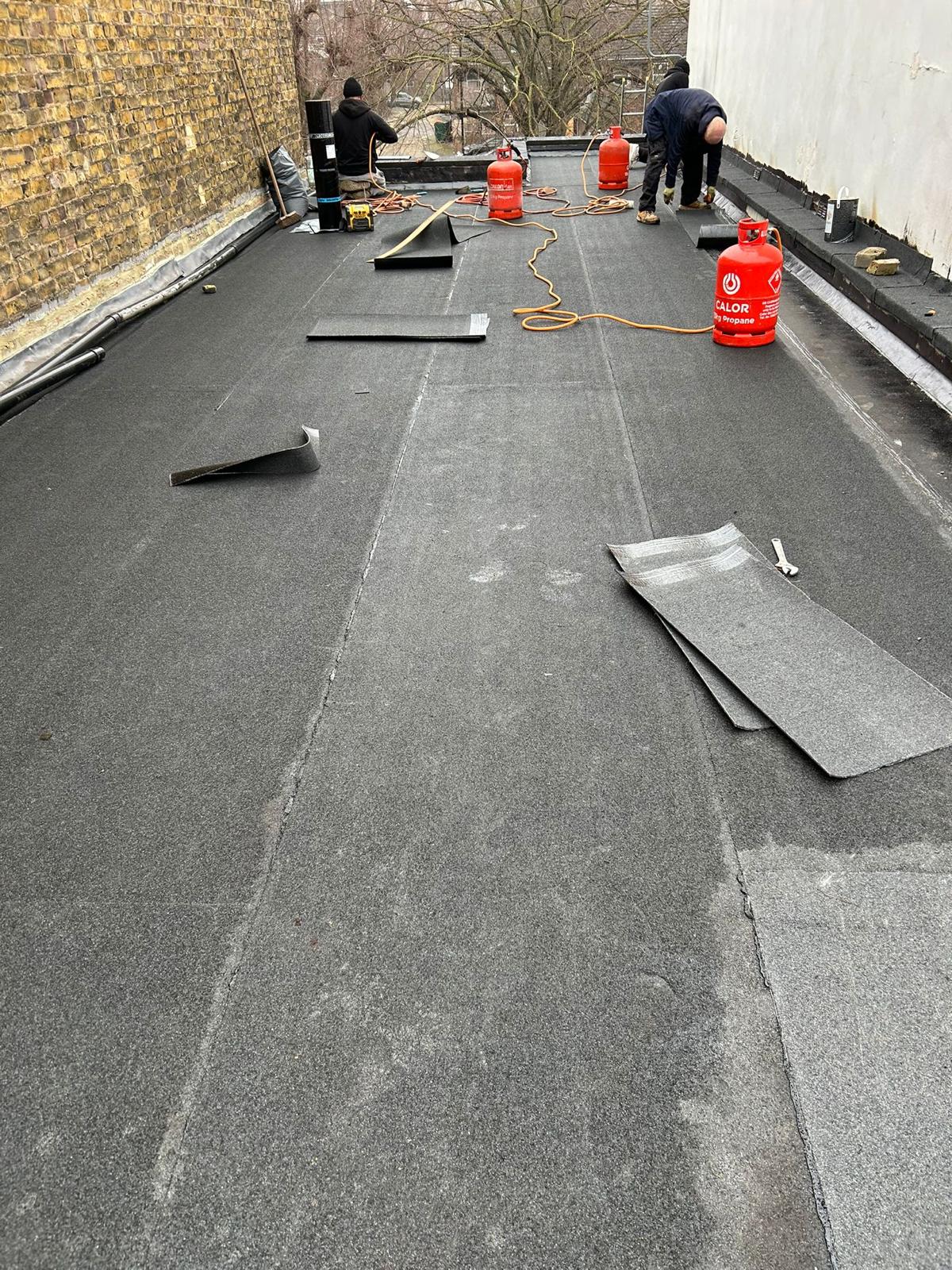
Torch-on felt is one of the more common modern choices for flat roofs. This system uses heat to bond layers of felt together, creating a stronger, more sealed finish. It tends to offer better durability than some older felt systems, which is one reason it is still popular.
Breathable felt is another important type, especially for pitched roofs. Unlike older non-breathable materials, breathable felt allows moisture vapour to escape from inside the roof space while still helping block water from outside. That can help reduce condensation problems in lofts and roof voids.
There are also self-adhesive felt systems, which are useful in some situations where open flame installation is less suitable. These are often chosen for safety or access reasons, depending on the property and the work involved.
The right felt depends on the kind of roof you have, the condition of the structure, your budget, and what you want from the finished result. That is why it helps to understand the options rather than thinking of roofing felt as one single material.
How Long Does Roofing Felt Usually Last?
This is one of the biggest questions people ask, and rightly so. If you are paying for roof work, you want to know how long it should hold up.
The answer depends on the type of felt, the quality of installation, and how exposed the roof is to the weather. Traditional felt may last somewhere around 10 to 20 years, while more modern felt systems can often last 20 to 30 years when they are installed properly and maintained sensibly.
That does not mean every felt roof will neatly fit into those numbers. A roof in a sheltered position may last longer than expected. A roof exposed to constant rain, strong wind, standing water, or heavy sun may wear out sooner.
It also depends on what the felt is being asked to do. Felt used as an underlay beneath tiles is not exposed in the same way as felt that forms the outer waterproof surface of a flat roof. That difference affects how it ages.
The other thing to remember is that roofing felt rarely goes from perfect to failed overnight. It usually shows signs of wear over time. You may see lifting edges, cracking, bubbling, or signs of moisture making its way through. Those warning signs matter because they give you the chance to act before the damage spreads.
What Signs Show That Roofing Felt May Be Failing?
In many cases, the first signs show up quietly. You might not look at the roof and instantly know the felt is a problem. Instead, you may notice something inside the property first.
Damp marks on ceilings, staining on walls, musty smells in the loft, or signs of moisture near the top of the room can all point to a roofing problem. That does not always mean the felt itself is the only cause, but it often means water has got through part of the roof system.
From the outside, signs of felt failure can include bubbling, blistering, splits, cracking, or lifting along edges and seams. On a flat roof, standing water that lingers for too long can also be a warning sign. It may suggest the surface is not draining properly, which places extra stress on the felt over time.
You may also notice loose flashings, damaged trims, or patches where the surface no longer looks uniform. These things matter because water does not need a large opening to cause trouble. A relatively small weak point can be enough.
Not every issue means full replacement is needed. Some problems can be repaired if they are caught early and are limited to one area. But if wear is widespread or the material is clearly ageing across the roof, replacement may be the more sensible long-term option.
Is Roofing Felt Still a Good Roofing Choice Today?
Yes, it is, and that is worth saying clearly. Roofing felt is still widely used because it remains practical, dependable, and cost-effective for many types of roof.
Sometimes people hear the word “felt” and assume it is old-fashioned or outdated. That usually comes from thinking about much older materials rather than the systems used now. Modern felt roofing is far more advanced than many people realise. It is stronger, more weather-resistant, and better suited to the demands of modern roofing than older versions were.
It also remains popular because it works well across a wide range of properties. For garages, extensions, outbuildings, porches, and many flat roof areas, felt can still be an excellent choice when installed properly.
That does not mean it is always the only option or always the best one for every roof. Materials like EPDM, GRP fibreglass, and other flat roofing systems may suit some projects better. But felt still has a strong place in roofing because it offers solid performance without pushing costs too high.
If you want a roofing material that is practical, widely understood by roofers, and suitable for many domestic jobs, felt remains a very sensible choice.
What Are the Main Benefits of Roofing Felt?
One of the biggest strengths of roofing felt is that it gives you useful protection without making the whole project overly complicated or expensive. That balance matters when you are trying to make the right choice for your home or another property.
It provides a reliable waterproof barrier. That is the main benefit and the reason it matters so much. It helps stop water reaching the roof structure and creates a layer of defence that supports the rest of the roof.
It is also versatile. It works well on small roofs, larger roofs, pitched roofs as an underlay, and flat roofs as part of the main weatherproof covering. That makes it useful in many situations where other materials may not be necessary.
Cost is another reason people choose it. Roofing felt often offers good value, especially where you need a practical solution that performs well without stretching the budget too far.
The key benefits usually come down to a few simple things:
- Strong waterproof protection
- Good value for many roof types
- Flexible use across different structures
- A dependable extra layer beneath outer coverings
Those points may sound straightforward, but they matter. A roof does not need to be complicated to work well. It just needs the right materials, fitted properly.
How Is Roofing Felt Installed?
The installation method depends on the type of roof and the type of felt being used. On a pitched roof, felt is usually laid beneath the tiles or slates in overlapping sections. Those overlaps matter because they help guide any water down the roof and away toward the gutter.
On a flat roof, installation is often more layered. Several layers of felt may be applied to build strength and improve waterproofing. In torch-on systems, heat bonds the felt to create a sealed finish. In other systems, adhesive or self-bonding methods may be used.
What matters most is not just the material but the care taken during installation. Weak overlaps, poorly finished edges, or rushed work around joints and flashings can shorten the life of the roof significantly.
This is one of the reasons roofing felt sometimes gets judged unfairly. When people have had problems, the material itself is not always the full story. In many cases, the real issue was poor workmanship. A well-installed felt roof can perform very differently from one that was fitted badly.
So if you are investing in roofing felt, the quality of the installation matters just as much as the product itself.
Can Roofing Felt Be Repaired or Does It Always Need Replacing?
A lot depends on the scale of the issue. If the damage is local and the rest of the felt remains in decent condition, a repair may be enough.
Small splits, local blisters, lifting edges, or isolated weak points can often be dealt with. In those situations, patching or sealing may extend the life of the roof without the cost of a full replacement.
That said, repair only makes sense when the surrounding material still has life left in it. If the felt is ageing across the whole roof, cracking in multiple places, or failing repeatedly, patching may only delay the inevitable.
This is why inspection matters so much. It tells you whether the problem is isolated or whether it reflects a wider loss of condition. That difference affects whether repair is a sensible investment or whether replacement gives you better value.
In simple terms, yes, felt can often be repaired. But it should be repaired for the right reasons, not just because replacement feels like a bigger step.
How Can You Help Roofing Felt Last Longer?
Roofing felt does not need constant attention, but it does benefit from sensible care. A little maintenance can make a real difference to how long it performs well.
One of the simplest things you can do is keep drainage clear. On flat roofs, blocked outlets and standing water place extra strain on the felt. Leaves, moss, and debris can all interfere with water flow, especially during wetter parts of the year.
It also helps to have the roof checked after severe weather. Strong winds, prolonged rain, or falling branches can all damage parts of the roof surface or its edges. Catching that early helps stop a small issue becoming a larger one.
Try not to ignore signs of change. If the roof surface no longer looks even, if water lingers longer than it used to, or if you notice marks inside the property, those things deserve attention.
Maintenance does not need to mean constant spending. Often it just means staying aware of the roof’s condition and acting before wear turns into damage.
Should You Choose Roofing Felt or Another Roofing Material?
This depends on the type of roof, the kind of property, and what matters most to you. If your main priorities are practicality, reliable waterproofing, and sensible cost, roofing felt often makes a lot of sense.
If you want a material with a different look, a different installation method, or potentially a longer lifespan on certain flat roofs, alternatives may be worth considering. EPDM rubber, GRP fibreglass, and other roofing systems each have their place.
But roofing felt should not be ruled out just because newer materials exist. It is still a strong, proven option when the roof is suited to it and the work is carried out properly.
For many homeowners, the decision comes down to balance. You want something that protects the property well, fits the budget, and gives you confidence that the roof will hold up. Roofing felt can still do that very well.
What Should You Take Away From All This?
Roofing felt may not be the most visible part of your roof, but it is one of the most useful. It helps keep water out, supports the overall performance of the roof, and adds a layer of protection that can make a real difference when weather conditions turn harsh.
It is used on pitched roofs, flat roofs, garages, extensions, sheds, and many other structures because it remains practical and reliable. Modern systems are stronger than many people expect, and when installed properly, roofing felt can give you years of dependable service.
If you are dealing with a leak, planning roof work, or simply trying to understand what is protecting your home, knowing how roofing felt works puts you in a much stronger position. You can ask better questions, make more informed choices, and avoid panic when problems appear.
That is really the value of understanding roofing felt. It turns something hidden and overlooked into something clear and useful.
And if your roof is showing signs of wear, uncertainty is usually the hardest part. Once you know what condition the felt is in, the next step becomes much easier.