If you manage a commercial property, the roof probably sits in the back of your mind more than you realise. You may not think about it every day, but you know it matters. When it works properly, everything underneath stays safe, dry, and operational. When it starts to fail, problems spread quickly.
A leaking flat commercial roof does not just create inconvenience. It can disrupt business, damage equipment, affect staff, and lead to costly repairs inside the building. That is why one of the most important questions you can ask is simple: how long should a flat commercial roof actually last?
The answer depends on several factors, including materials, installation quality, exposure to weather, and ongoing maintenance. But in general, most flat commercial roofs last between 15 and 30 years, with some lasting longer when they are installed properly and looked after over time.
That might sound like a wide range, and it is. A well-built roof that gets regular inspections may perform far beyond expectations. A poorly installed roof, or one left unchecked for years, may fail much sooner.
If you understand what affects lifespan, you gain control. You can spot warning signs earlier. You can avoid sudden failure. You can plan replacement before disruption begins. Most importantly, you can protect the building and everything inside it.
So let’s look at this properly, step by step, in a way that helps you make practical decisions.
What Is the Typical Life Expectancy of a Flat Commercial Roof?
Most flat commercial roofs fall into predictable lifespan ranges depending on the material used. The type of roofing system makes a big difference, because each material handles weather, movement, and wear in its own way.
Here is a general guide to what you can expect:
- Built-up felt roofing: 15–25 years
- EPDM rubber roofing: 20–30 years
- GRP fibreglass roofing: 20–30 years
- Single-ply membrane roofing: 20–30 years
- Liquid roofing systems: 15–25 years
These numbers assume proper installation and reasonable maintenance. Without those, the lifespan may shorten significantly.
It is also worth remembering that a roof rarely fails all at once. Most roofs give warning signs. Small leaks, blistering, movement, or pooling water often appear first. That is why paying attention early makes such a difference.
A flat commercial roof often has more to deal with than a domestic roof. It may support air conditioning units, solar panels, ventilation systems, or walkways. Foot traffic, equipment weight, and exposure all affect lifespan.
So while the average range gives you a rough idea, your roof’s real life expectancy depends on how well it is protected and maintained.
Why Do Flat Commercial Roofs Wear Out Over Time?
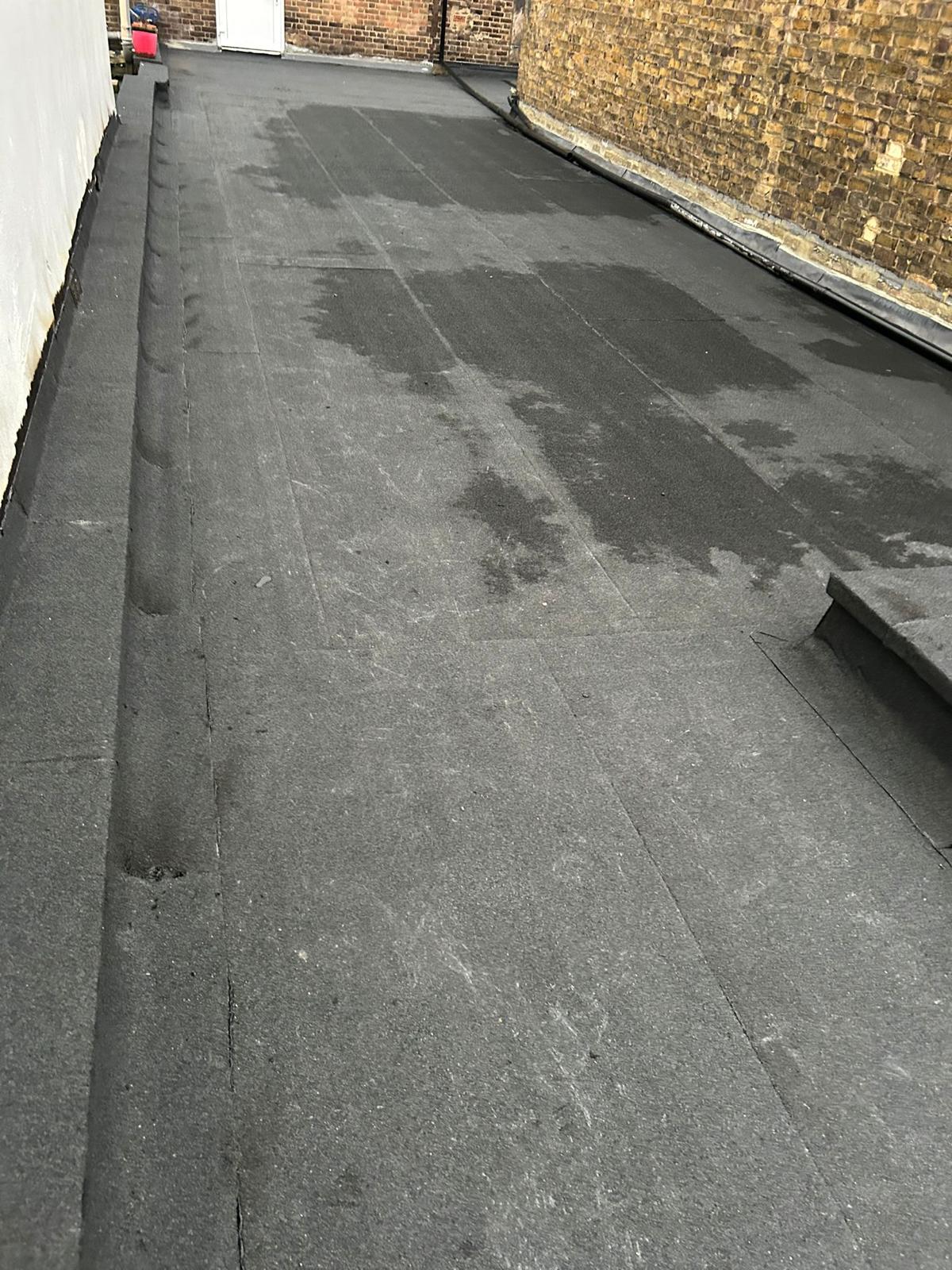
Flat roofs face constant exposure. Unlike pitched roofs, which shed water quickly, flat roofing hold water for longer periods. Even a slight slope still allows moisture to sit on the surface after heavy rain.
Over time, this exposure affects the roof material. Expansion and contraction from temperature changes also play a role. On hot days, the roof surface expands. On cold nights, it contracts. That movement creates stress across seams, joints, and flashings.
Then there is weather. Wind lifts edges. Rain finds weak points. Frost increases pressure. UV exposure slowly weakens surfaces.
Commercial roofs also deal with additional pressure. Engineers may walk across the roof. Contractors may access plant equipment. Maintenance teams may install new services. Every footstep creates wear.
These things happen slowly, which is why flat roofs rarely fail overnight. Instead, they age gradually. The material weakens. Seams loosen. Flashings deteriorate. Eventually, water finds a way in.
Understanding this helps you see why inspections matter. You are not waiting for failure. You are managing gradual wear.
What Shortens the Life of a Flat Commercial Roof?
Some roofs last decades. Others struggle much sooner. The difference often comes down to a few key factors.
Poor installation sits at the top of that list. Even high-quality materials will fail early if installed incorrectly. Weak seams, poor drainage design, or rushed workmanship create long-term problems.
Drainage also matters more than many people realise. Standing water places constant pressure on the roof surface. Over time, this weakens the material and increases the risk of leaks.
Lack of maintenance is another common cause. A blocked drain, loose flashing, or small tear may seem minor at first. Left alone, it allows water in. Once moisture reaches insulation or structure, the repair becomes more complex.
Weather exposure also affects lifespan. Buildings in exposed locations often experience stronger winds and heavier rainfall. This speeds up wear compared with sheltered properties.
Additional equipment also influences durability. Roof-mounted units create extra stress. Installation work sometimes damages membranes. Even routine servicing can contribute to gradual wear.
The key point is simple. A flat commercial roof does not fail because of one factor. It fails because several small issues combine over time.
How Do You Know When a Flat Commercial Roof Is Reaching the End of Its Life?
Flat roofs usually show signs before they fail completely. Recognising these signs early helps you plan rather than react.
You might notice recurring leaks. You may see blistering or cracking across the surface. Water pooling for longer periods after rain is another warning sign. Movement around flashings and edges often indicates ageing materials.
Inside the building, you may spot damp patches, staining, or unusual smells. These signs often appear after water has already found a route inside.
Sometimes, repairs become more frequent. When small fixes keep appearing, it often means the roof system is nearing the end of its lifespan.
These signs do not always mean immediate replacement. In some cases, repairs extend life. But they do suggest it is time for a detailed inspection.
That inspection helps you understand whether repair still makes sense or whether replacement offers better long-term value.
Can You Extend the Life of a Flat Commercial Roof?
Yes, and this is where you gain real control.
A flat commercial roof often lasts longer when it receives basic care. Regular inspections help catch early problems. Clearing drains prevents water build-up. Repairing minor issues stops them spreading.
Protective coatings also extend lifespan. Some liquid roofing systems add an extra waterproof layer. This can refresh ageing surfaces and improve durability.
Scheduled maintenance also reduces risk. A simple inspection once or twice a year helps keep the roof performing properly.
These small steps often make a significant difference. You are not trying to stop ageing completely. You are slowing it down and managing it properly.
Is Repair Better Than Replacement?
This question comes up often. The answer depends on the roof’s condition.
If the roof structure remains sound and damage stays localised, repair often makes sense. Small tears, flashing problems, or isolated leaks can often be fixed.
However, if problems appear across multiple areas, replacement may be more practical. Repeated repairs can become costly over time. A new system may provide better value and reliability.
A professional inspection helps you make that decision. It gives you a clear picture of current condition and expected lifespan.
This helps you avoid guesswork. You move from uncertainty to a clear plan.
What Are the Benefits of Replacing a Flat Commercial Roof Before It Fails?
Waiting for failure creates pressure. Emergency repairs disrupt operations. Costs rise quickly. Water damage spreads inside the building.
Planned replacement removes that pressure. You choose the timing. You reduce disruption. You protect equipment, stock, and staff.
A new roof also improves energy efficiency. Modern materials often provide better insulation. This can reduce heating and cooling costs.
You also gain peace of mind. Instead of worrying during heavy rain, you know the roof has years of reliable performance ahead.
This shift from reactive to proactive management often makes the biggest difference.
How Often Should You Inspect a Flat Commercial Roof?
Most commercial roofs benefit from inspection once or twice per year. Additional checks after severe weather also help.
You do not need constant monitoring. You simply want to avoid long gaps where problems go unnoticed.
These inspections often take little time but provide valuable insight. You spot early wear. You plan repairs. You avoid surprises.
This approach helps protect the building and extend lifespan.
What Should You Do If You Are Unsure About Your Roof?
If you are unsure about your roof’s condition, the best step is a professional inspection. This gives you clarity.
You learn whether the roof still performs well. You understand how much life remains. You know what maintenance makes sense.
That knowledge helps you plan ahead. You avoid sudden disruption. You protect the building and business operations.
So How Long Does a Flat Commercial Roof Last?
Most flat commercial roofs last between 15 and 30 years, depending on material, installation, and maintenance. Some last longer. Others require earlier replacement.
The key is not just lifespan. It is how you manage that lifespan. Regular checks, timely repairs, and sensible planning all help extend performance.
A flat commercial roof protects more than just a building. It protects operations, equipment, staff, and daily business activity.
When you understand how long it should last and how to extend that lifespan, you move from uncertainty to control.
That shift makes a real difference.